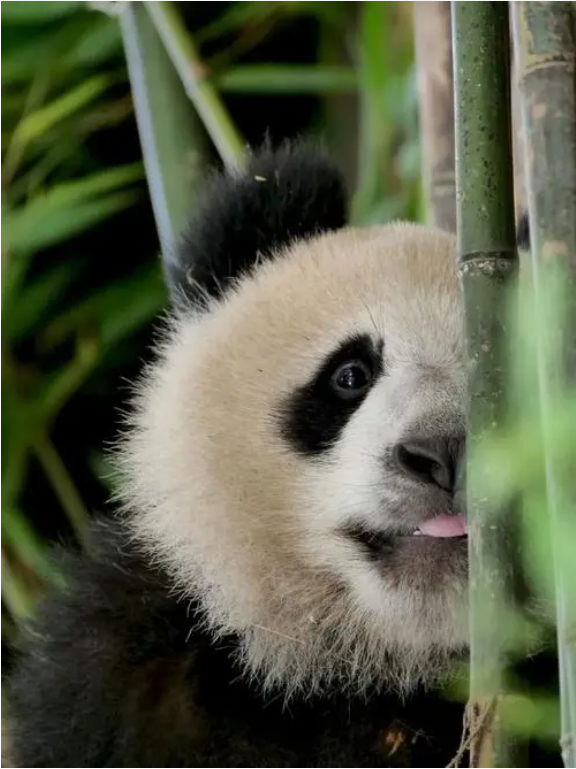
1. Eco friendly -- bamboo is a natural sustainable source and the production of bamboo fiber is environmental friendly;
2. Breathable -- bamboo is better than cotton in breathability and it's the best choice as jersey fabric;
3. Absorbent -- bamboo fiber has an outstanding performance in moisture wicking and absorbing;
4. Anti bacterial -- bamboo fiber contains an anti bacterial element which can resist colon bacillus and staphylococcus aureus;
5. Sun protection -- with the sodium copper chlorophyllin, bamboo textiles is much better than cotton textiles in ultraviolet protection;
6. Cooling -- bamboo fabric cools the body in hot seasons;
7. Soft -- bamboo fabric is quite soft and cozy.
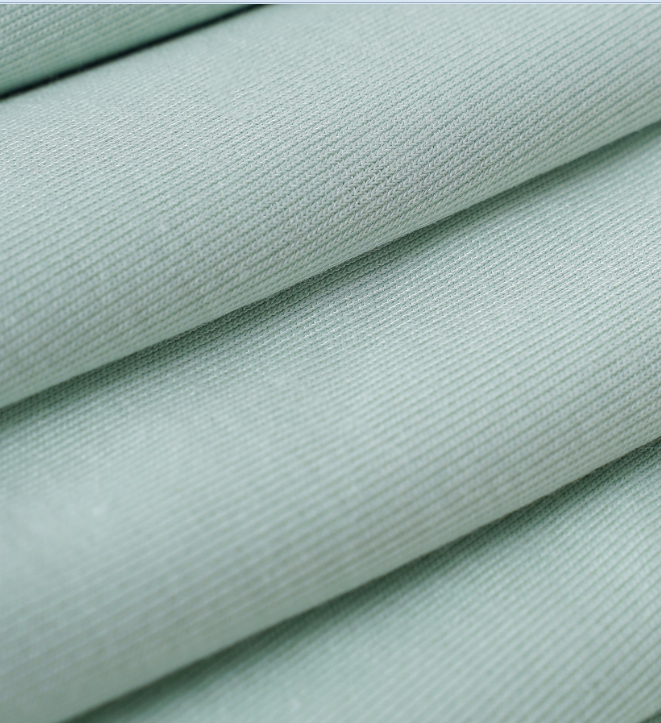
Bamboo spandex fabric
Bamboo lycra fabric
95% bamboo viscose, 5% spandex
GSM: 190g, 210g, 240g, 260g, 270g
Width: 165cm
Application: t-shirts, jersey, sportswear, pajamas for babies and adults, underwears, etc.
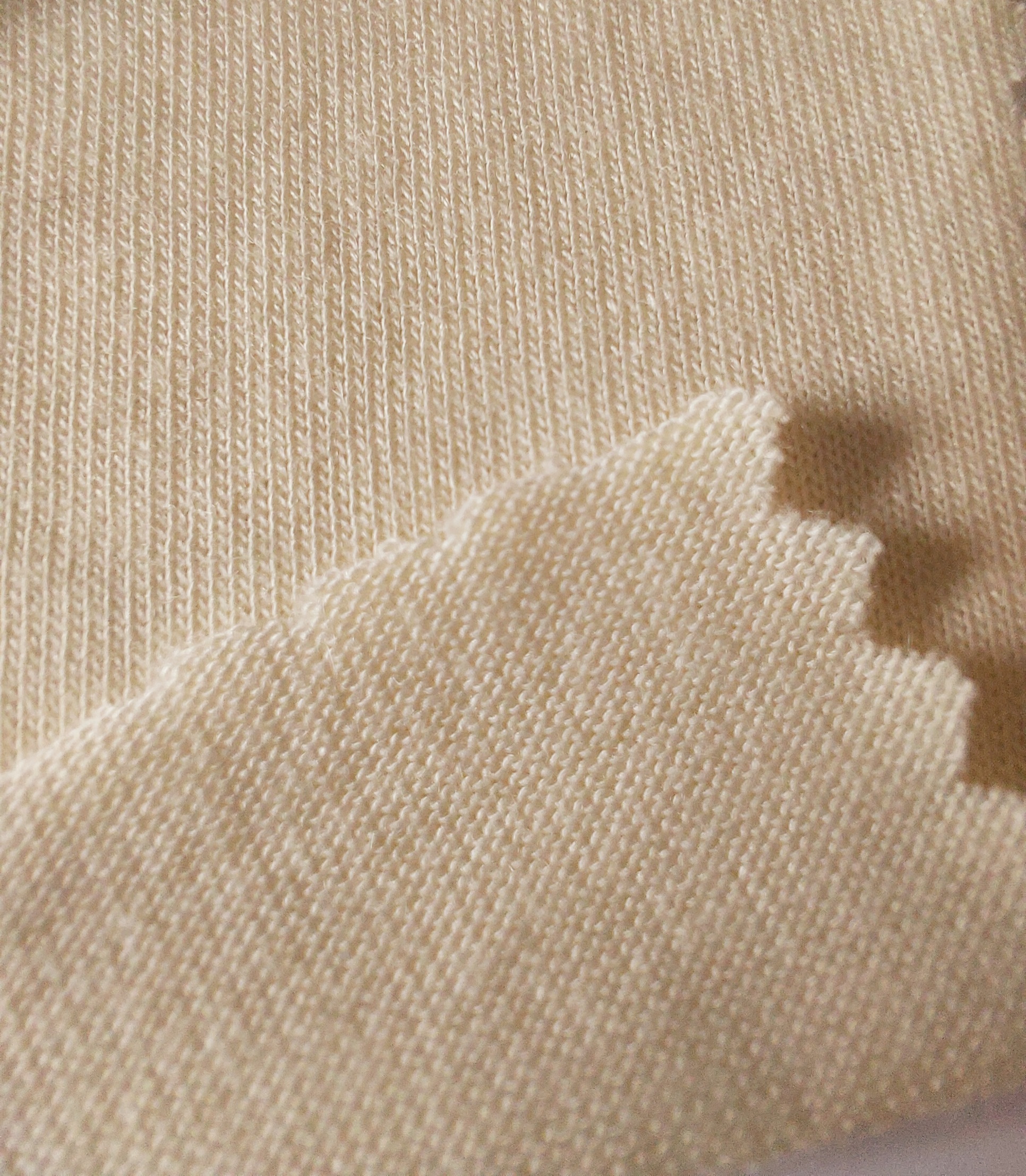
Bamboo cotton fabric
65% bamboo bulp, 28% cotton, 7% spandex
GSM: 185g, 230g
Width: 175cm
Application: t-shirts, sportswear, pajamas, underwears, etc.
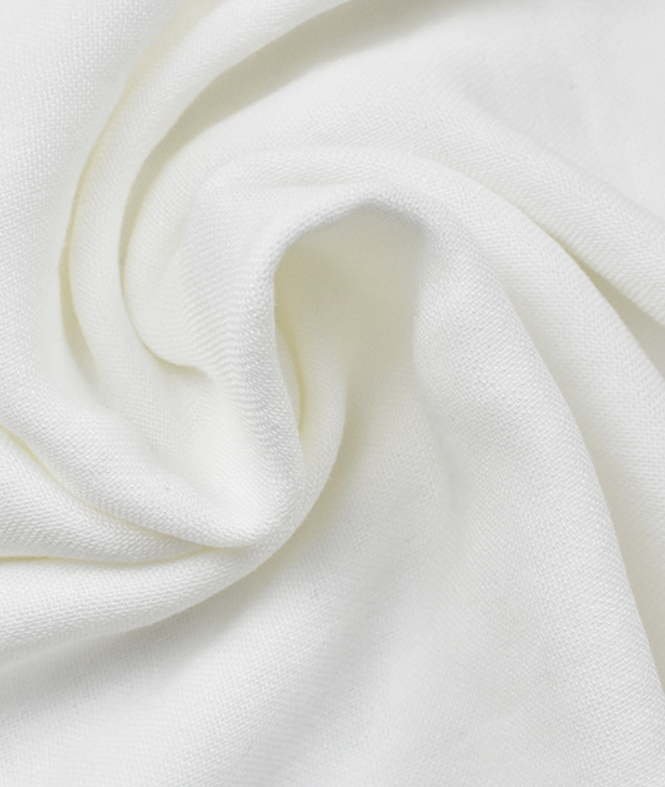
Bamboo cotton gauze fabric
70% bamboo fiber, 30% cotton
GSM: 110g, 130g(double layer), 235g(4 layers)
Width: 155cm
Application: baby clothes, baby blankets, swaddles, bibs, diapers, etc.
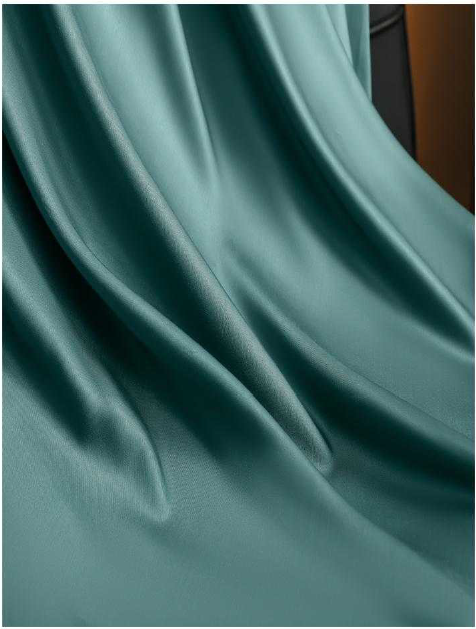
Bamboo Viscose fabric
100% bamboo viscose
GSM: 130g
Width: 2.2m, 2.5m, 2.8m, 3m
Application: shirts, bedding 4 pcs, etc.
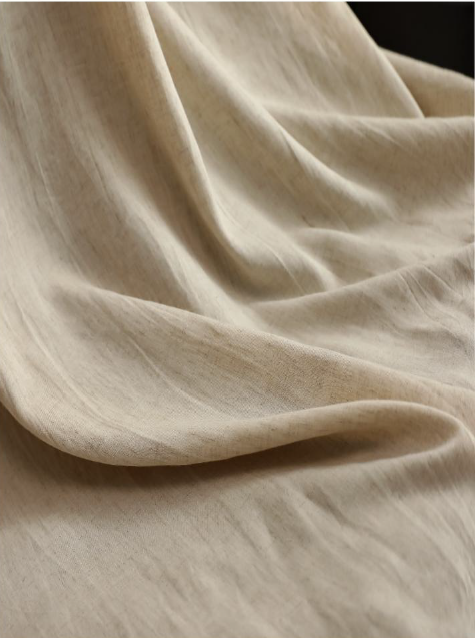
Bamboo linen fabric
80% bamboo, 20% linen
GSM: 165g, 110g
Width: 280cm
Application: t-shirts, pajamas, bedding, etc.
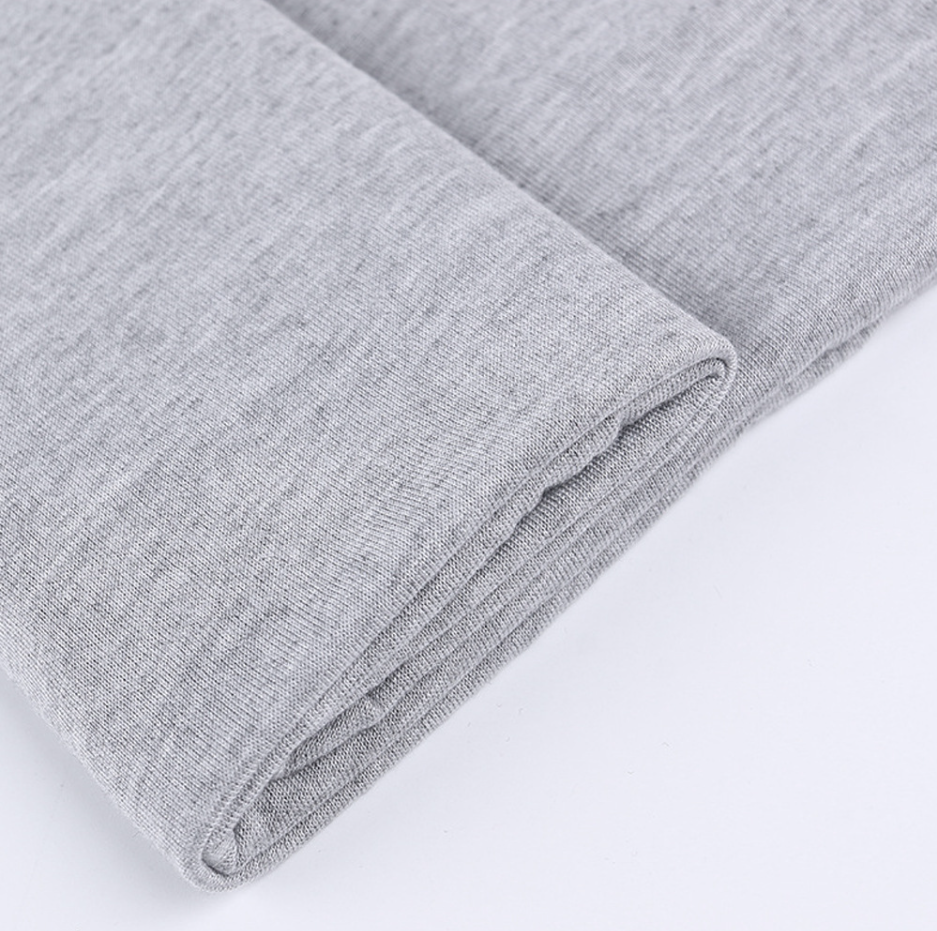
Bamboo charcoal fabric
80% bamboo charcoal fiber, 20% polyester
GSM: 130gsm
Width: 160cm
Application: lining for underwear
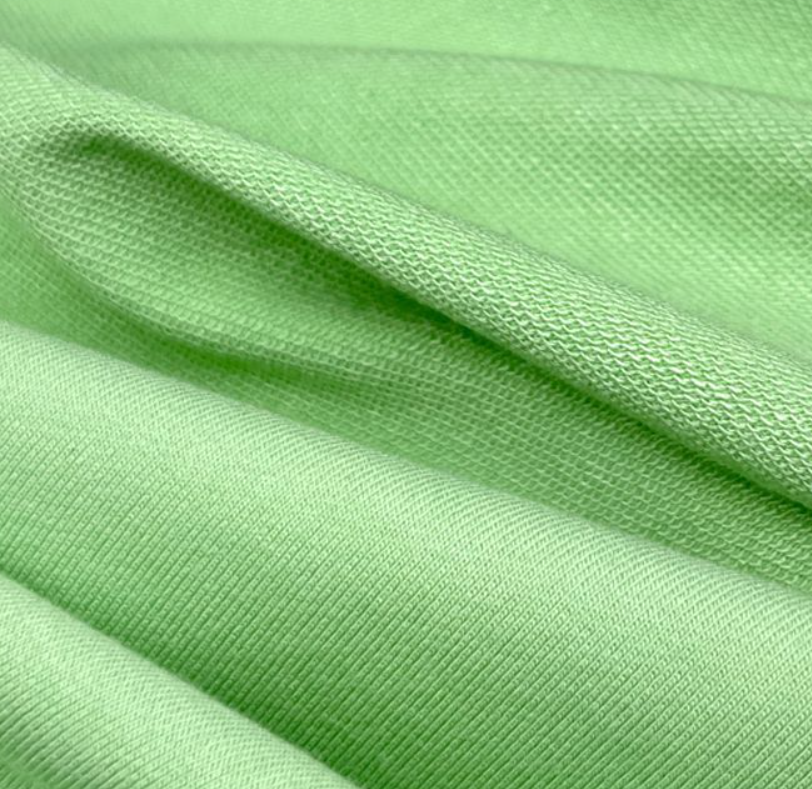
Bamboo french terry fabric
92% bamboo viscose, 8% spandex
GSM: 260gsm
Width: 165cm
Application: hoodies, etc.
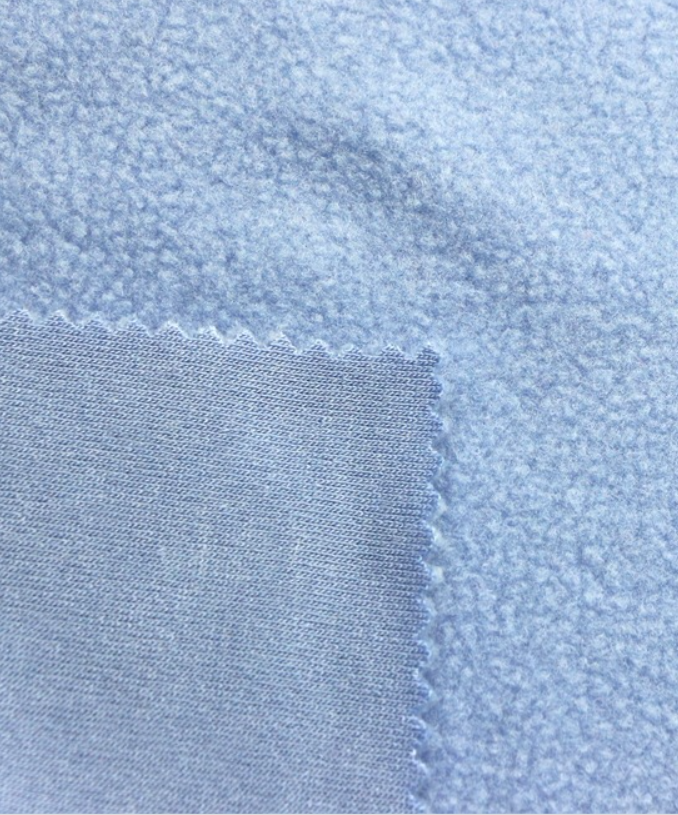
Bamboo fleece fabric
50% bamboo viscose, 50% polyester
GSM: 240gsm
Width: 165cm
Application: hoodies, jackets, etc.
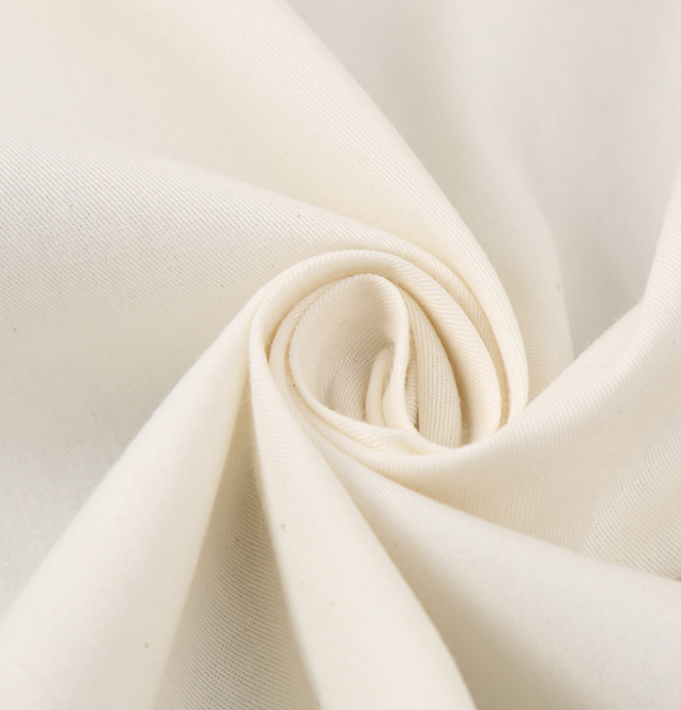
Undyed bamboo fabric
94% bamboo, 6% spandex
GSM: 175gsm, 215gsm, 265gsm
Width: 170cm
Application: t-shrits, hoodies after being dyed.
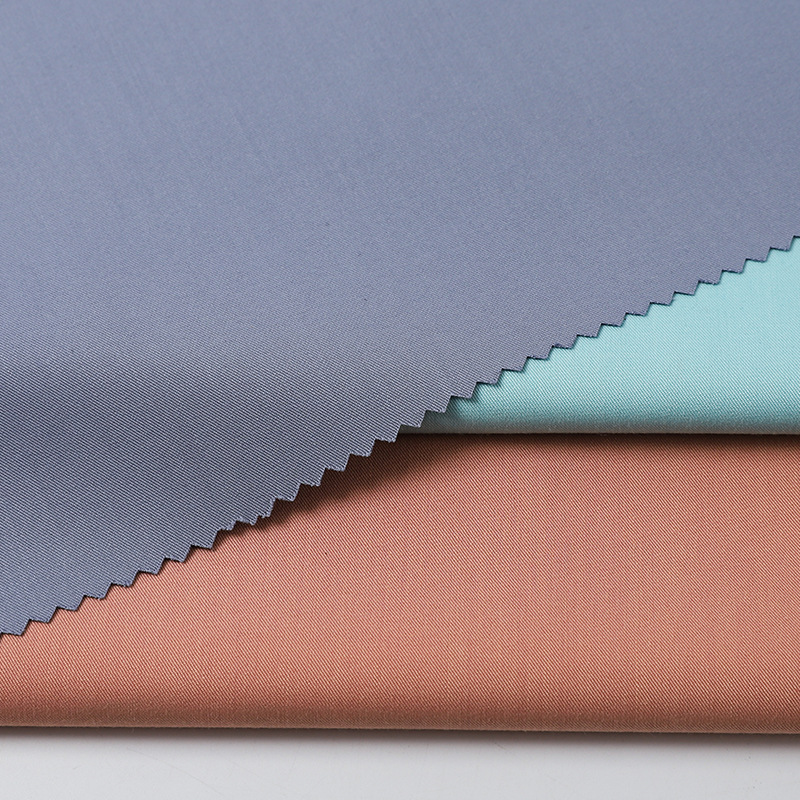
Bamboo fabric for shirt
30% bamboo, 65% terylene, 5% spandex
Width: 160cm
Application: blouses, shirts, etc.
More than 40 colors in option
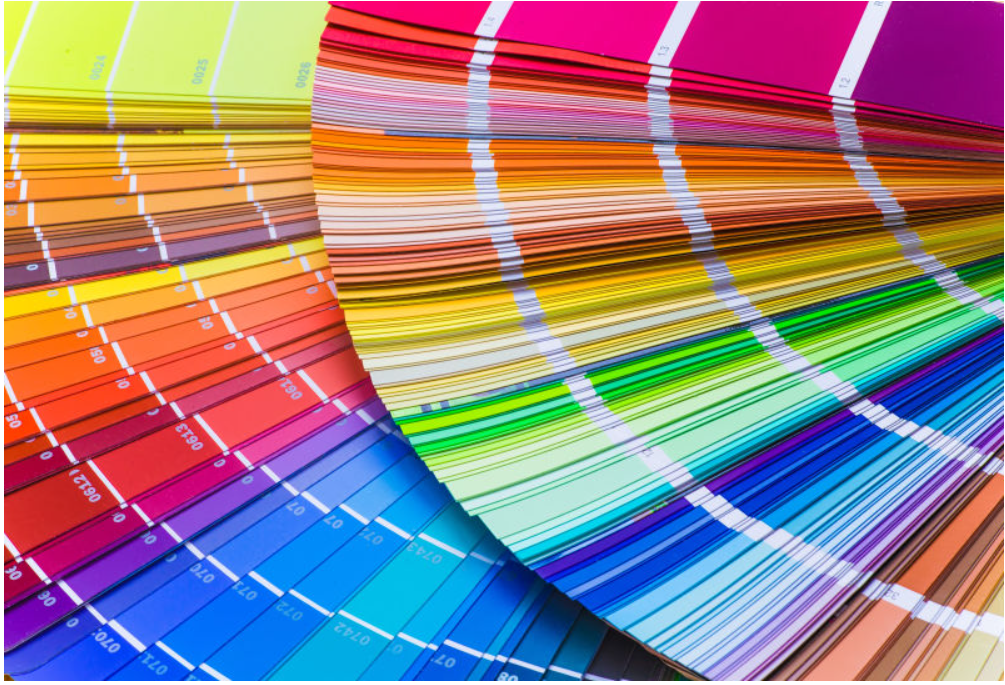
Sample catalogue is free for checking quality and colors!
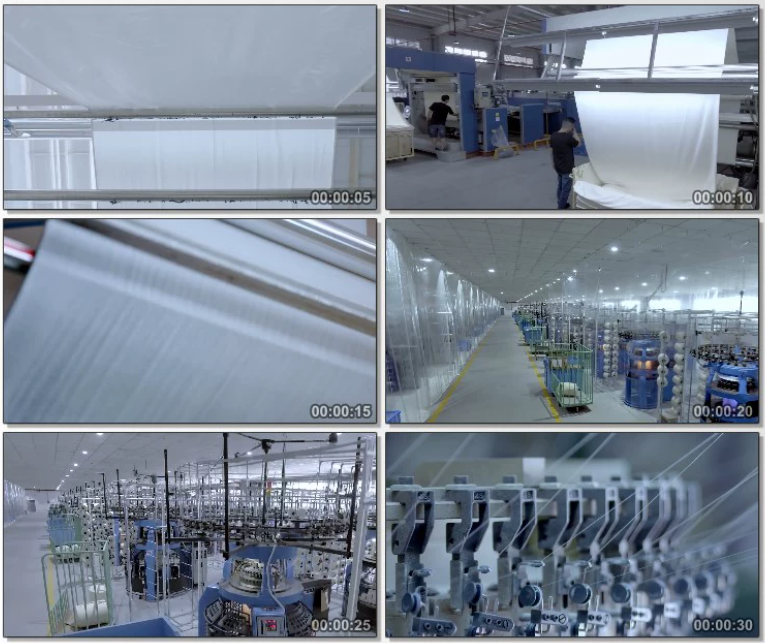
Fabric Production




 1. Eco friendly -- bamboo is a natural sustainable source and the production of bamboo fiber is environmental friendly;


